Starting orthodontic treatment is a big step, especially for teens. Whether it’s traditional braces or modern clear aligners, proper care plays a huge role in achieving that perfect smile. In this guide, we’ll walk you through essential aftercare tips that help both teens and parents keep treatment on track.
From brushing and eating to wearing retainers and staying on schedule, caring for braces and aligners aftercare isn’t hard—it just takes good habits and a little know-how.
Why Aftercare Matters
Braces and aligners don’t work overnight. They need time, attention, and consistency to do their job well. Poor aftercare can lead to delays, discomfort, and even damage to your teeth or orthodontic gear.
Luckily, a few simple changes to your daily routine can keep everything running smoothly.
How to Clean Braces Properly
Cleaning teeth with braces can feel tricky at first. But with the right tools and some practice, it becomes second nature.
🪥 Brushing Tips:
-
Brush after every meal and before bed.
-
Use a soft-bristle brush or an electric toothbrush.
-
Angle the brush above and below the brackets to reach all surfaces.
-
Brush for at least two minutes each time.
🧵 Don’t Forget to Floss:
Yes, flossing is still important—even with braces. Use floss threaders or orthodontic flossers to get between the wires and reach your gums.
💦 Add a Mouthwash:
Antibacterial mouthwash can help keep your gums healthy and reduce plaque build-up around brackets.
Keeping up with braces and aligners aftercare helps prevent issues like white spots, gum swelling, or cavities.
Caring for Clear Aligners
Aligners are removable, which makes cleaning your teeth easier. But that doesn’t mean you can slack off!
🧼 How to Clean Aligners:
-
Rinse them with lukewarm water every time you remove them.
-
Use a soft brush (not your toothbrush) to gently clean them.
-
Avoid using toothpaste—it can scratch the plastic.
-
Soak aligners once a day in a special cleaning solution or mild soap.
Always store aligners in their case when not in use to avoid losing or damaging them.
Foods to Avoid with Braces
Certain foods can bend wires, loosen brackets, or get stuck in your braces. Teens need to be mindful of what they eat, especially during the first few weeks.
🚫 Skip These Foods:
-
Sticky sweets (like toffee or gum)
-
Hard foods (nuts, popcorn, raw carrots)
-
Crunchy snacks (crusty bread, chips)
-
Chewy foods (bagels, licorice)
Instead, go for softer foods like yoghurt, bananas, eggs, and pasta—especially after an adjustment when your mouth might be sore.
Aligner-Friendly Eating Habits
Since aligners need to be removed during meals, it’s important to:
-
Take them out before eating or drinking anything but water.
-
Brush your teeth before putting them back in.
-
Keep track of your wear time (ideally 20–22 hours a day).
Teens who forget to put their aligners back in quickly can delay their treatment results.
Managing Discomfort
Both braces and aligners can cause a bit of soreness, especially after adjustments or when switching to a new aligner.
💡 Helpful Tips:
-
Use orthodontic wax to cover sharp edges or brackets that rub.
-
Eat soft, cool foods like yoghurt or smoothies for the first day.
-
Take mild pain relief if needed (as advised by a parent or dentist).
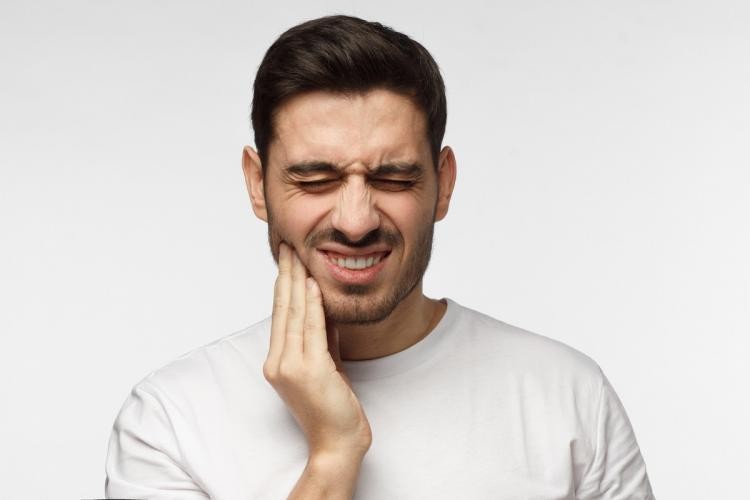
Regular discomfort is a sign that your treatment is working, but it should never feel unbearable. If something hurts too much or a wire comes loose, contact your orthodontist.
Don’t Skip Retainers
Once the braces come off or you finish with your aligners, you’re not done yet. Wearing your retainer is one of the most important parts of braces and aligners aftercare.
Retainers keep your teeth from shifting back into their old position. Skipping them can undo months—or even years—of progress.
📅 Retainer Tips:
-
Wear it as instructed (usually full-time at first, then nightly).
-
Clean it daily using lukewarm water and a soft brush.
-
Store it in its case when not in use—never in a napkin!
-
Replace it if it cracks, bends, or smells bad.
Parents can help by setting reminders or encouraging teens to make retainers part of their bedtime routine.
Keeping Track of Appointments
Missed appointments mean delayed results. Make sure to attend every check-up, whether it’s for tightening braces, collecting new aligners, or adjusting retainers.
📌 Pro tip:
Use a shared calendar or phone reminders so parents and teens can stay on top of the schedule.
Regular visits allow your orthodontist to catch issues early and keep treatment on track.
Bonus Tip: Protect Your Smile
If your teen plays sport, don’t forget a mouthguard. Braces can cause serious cuts to the lips or cheeks during impact.
For aligner wearers, remove the trays before playing and wear a proper mouthguard instead.
Working Together for a Great Smile
Orthodontic treatment is a team effort. When teens follow the rules and parents stay supportive, treatment tends to go more smoothly.
From daily brushing to retainer reminders, staying on top of braces and aligners aftercare makes a huge difference in the final result. It may take time and effort—but the confident smile at the end is worth every bit of it.