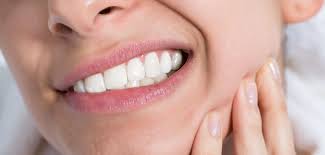
If the thought of visiting the dentist makes you nervous, you’re not alone. Many people—children and adults alike—feel anxious about dental care. Some even avoid treatment altogether because of fear. That’s where sedation dentistry comes in.
In this guide, we’ll explain how sedation dentistry works, explore the different types of sedation available, and help you or your child feel more at ease during appointments. The goal? To make dental visits less scary and more manageable.
What Is Sedation Dentistry?
Sedation dentistry uses medicine to help patients relax during dental treatments. It’s ideal for those with dental anxiety, sensitive teeth, a strong gag reflex, or a fear of needles and drills.
Depending on the level of anxiety and the type of procedure, dentists can offer different levels of sedation—from light relaxation to deeper sleep-like states. But don’t worry—your safety is always the top priority.
Understanding your options makes it easier to feel confident and calm before your next visit.
Why Choose Sedation Dentistry?
Fear shouldn’t stop you from having a healthy mouth. Untreated dental problems can get worse and may even lead to bigger health issues.
Here’s how sedation dentistry helps:
- It reduces fear and anxiety.
- It allows longer or more complex treatments in fewer appointments.
- It makes sitting still easier for children or people with special needs.
- It helps manage a strong gag reflex or tooth sensitivity.
In short, it turns a stressful situation into a smooth experience.
Types of Sedation in Dentistry
Let’s look at the most common options. Each one works differently, and your dentist will recommend the best fit for you or your child.
1. Laughing Gas (Nitrous Oxide)
This is the lightest form of sedation and is often used with children or mildly anxious adults.
How it works: You breathe in a mix of oxygen and nitrous oxide through a small mask over your nose. The gas helps you feel calm, maybe even a bit giggly—hence the name.
Benefits:
- Works fast and wears off quickly.
- You stay awake and can respond to the dentist.
- Safe for children and adults.
- You can usually drive home afterwards.
This makes laughing gas a popular choice in sedation dentistry, especially for short procedures.
2. Oral Sedation
If you need something stronger than laughing gas, your dentist might give you a pill to take before your appointment.
How it works: You’ll take the medicine about an hour before treatment. It makes you drowsy and deeply relaxed, but you’ll still be awake. Some people may even doze off lightly during the procedure.
Benefits:
- Easy to take—just a pill.
- Reduces fear, tension, and memory of the procedure.
- Great for moderate anxiety or longer appointments.
One important note: you’ll need someone to drive you home.
3. IV Sedation
This option delivers medicine straight into your bloodstream through a small tube in your arm.
How it works: IV sedation starts working quickly and allows the dentist to adjust the level of sedation as needed. You won’t be fully unconscious, but you’ll likely remember very little.
Benefits:
- Stronger level of sedation.
- Good for longer or complex procedures.
- Ideal for patients with high anxiety or special medical needs.
You’ll be monitored closely throughout the appointment for safety. Like oral sedation, you’ll need a lift home and may feel sleepy for several hours.
4. General Anaesthesia
Used less often in regular dental care, general anaesthesia is reserved for hospital settings or very specific cases.
How it works: You are fully unconscious and won’t feel or remember anything.
When it’s used:
- Major dental surgeries
- Patients with severe anxiety or special needs
- Young children needing multiple treatments
This form of sedation dentistry is only offered by trained professionals in a controlled environment.
Is Sedation Dentistry Safe?
Yes, it’s very safe when given by trained professionals. Dentists are carefully trained to provide sedation and monitor patients throughout the procedure.
Before using any sedation method, your dentist will review your:
- Medical history
- Current medications
- Level of anxiety
- Treatment needs
For children, sedation is tailored to their size, age, and the type of treatment. Parents should always follow pre- and post-visit instructions from the dental team.
What to Expect Before and After Sedation
✅ Before Your Appointment:
- Don’t eat or drink for a set time (your dentist will advise you).
- Arrange transport home if needed.
- Dress comfortably.
- Discuss all health conditions or medications with your dentist.
✅ After Your Appointment:
- You might feel sleepy or wobbly for a few hours.
- Rest at home until the sedative wears off.
- Avoid driving or operating machinery that day.
By following these steps, sedation dentistry becomes a simple and effective way to receive care without fear.
How Parents Can Help Anxious Children
If your child is nervous about the dentist, talk with them about what to expect. Here are a few ways to help:
- Visit the dentist early—before there’s a problem.
- Use books or videos to show dental visits as positive.
- Stay calm and reassuring.
- Let the dental team explain sedation options in a friendly way.
For very anxious kids or those needing complex work, laughing gas or oral sedation may be recommended. Trust your dentist—they want to make the visit as smooth as possible.
Comfortable Dental Care Is Possible
Fear shouldn’t keep anyone from having a healthy, confident smile. With today’s safe and gentle sedation dentistry options, dental care can be calm—even pleasant.
Whether you’re nervous yourself or looking after a child with dental fears, talk to your dentist. Together, you can choose the right option to feel at ease and in control every step of the way.